
Surface treatment solution
Understanding Surface Treatment in PCB Manufacturing
In PCB manufacturing, surface treatment is a critical process that protects
and enhances copper pads before soldering and assembly. Since exposed copper
oxidizes quickly, proper surface finishing ensures stable solderability,
electrical performance, and long-term durability throughout the SMT process.
Oxidation Protection
Improved Solderability
Extended Shelf Life
1. Definition
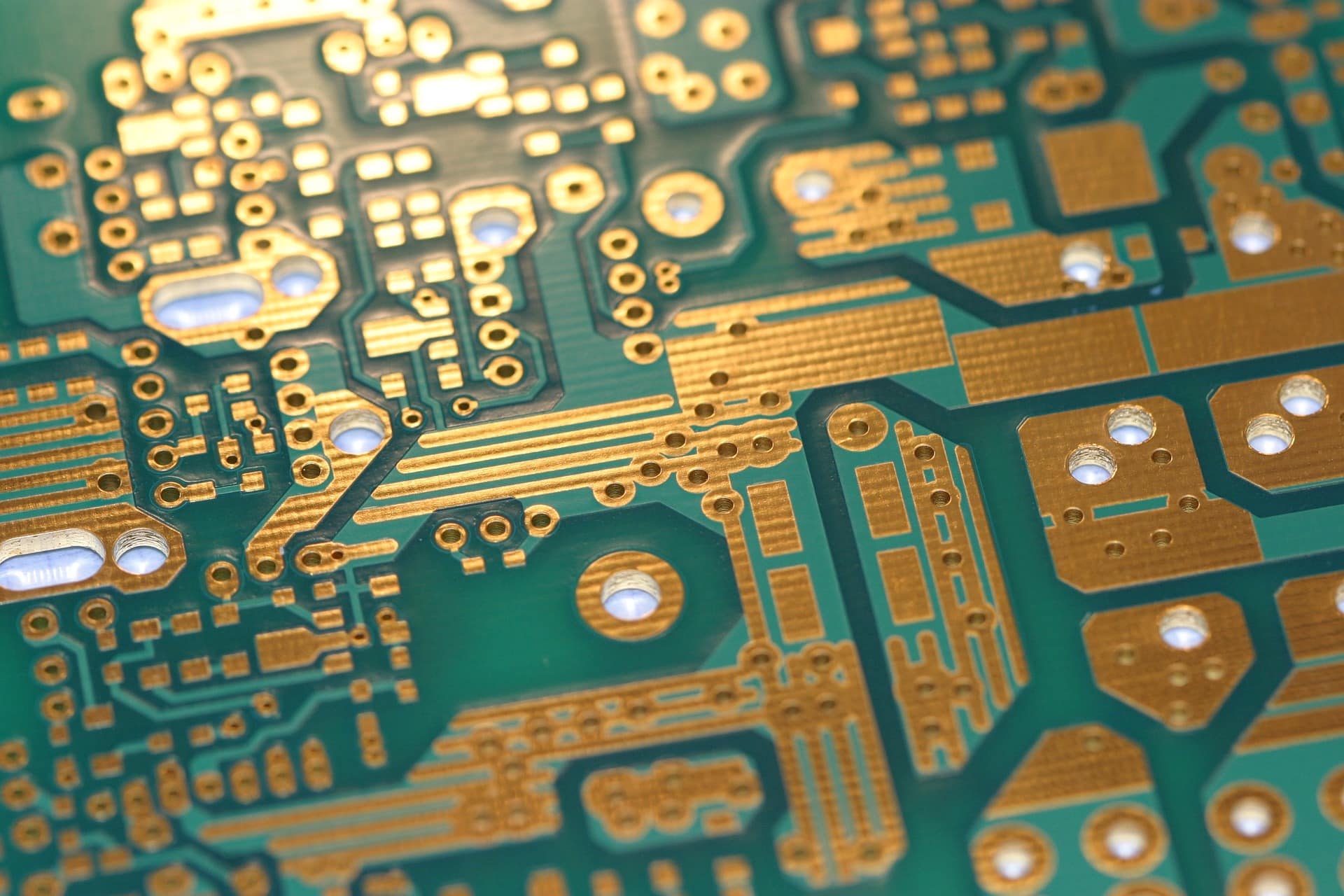
Surface treatment refers to the finishing process applied to copper pads
on a printed circuit board (PCB) before assembly. The goal is to protect
the copper surface from oxidation while ensuring it remains conductive,
clean, and ready for component mounting.
2. Purpose of Surface Treatment
Surface finishing plays a vital role in maintaining performance,
stability, and durability across the entire SMT production line.
- Prevent oxidation and corrosion on copper pads
- Improve solder wetting and joint reliability
- Enhance adhesion for conformal coating or bonding
- Extend PCB shelf life during storage
- Maintain consistent surface integrity in production
Without proper treatment, oxidation can lead to weak solder joints,
increased defect rates, and long-term reliability failures.
3. Common Surface Treatment Methods
| Method | Description | Advantages | Limitations |
|---|---|---|---|
| HASL | PCB dipped in molten solder, leveled by hot air. | Low cost, good solderability | Not suitable for fine-pitch components |
| ENIG | Nickel layer with immersion gold coating. | Excellent flatness, long shelf life | Higher cost |
| OSP | Organic protective layer applied on copper. | Eco-friendly, flat surface | Limited storage life |
| Immersion Tin / Silver | Thin metallic coating for solderability. | High conductivity | Sensitive to handling |
| Plasma Treatment | Ionized gas cleans and activates surface. | Non-chemical, highly effective | Higher equipment cost |
4. Competitive Advantage
Selecting the appropriate surface treatment method enhances PCB durability,
improves product reliability, and ensures compliance with modern quality
and environmental standards. In competitive electronics markets,
optimized surface finishing contributes directly to performance,
customer trust, and long-term brand value.
The right PCB surface treatment solution ensures consistent solderability,
stable electrical performance, and long-term reliability — forming a
critical foundation for high-quality electronics manufacturing.
Explore Surface Treatment Solutions →
Recommend Treatment Solution

Surface treatment solutions
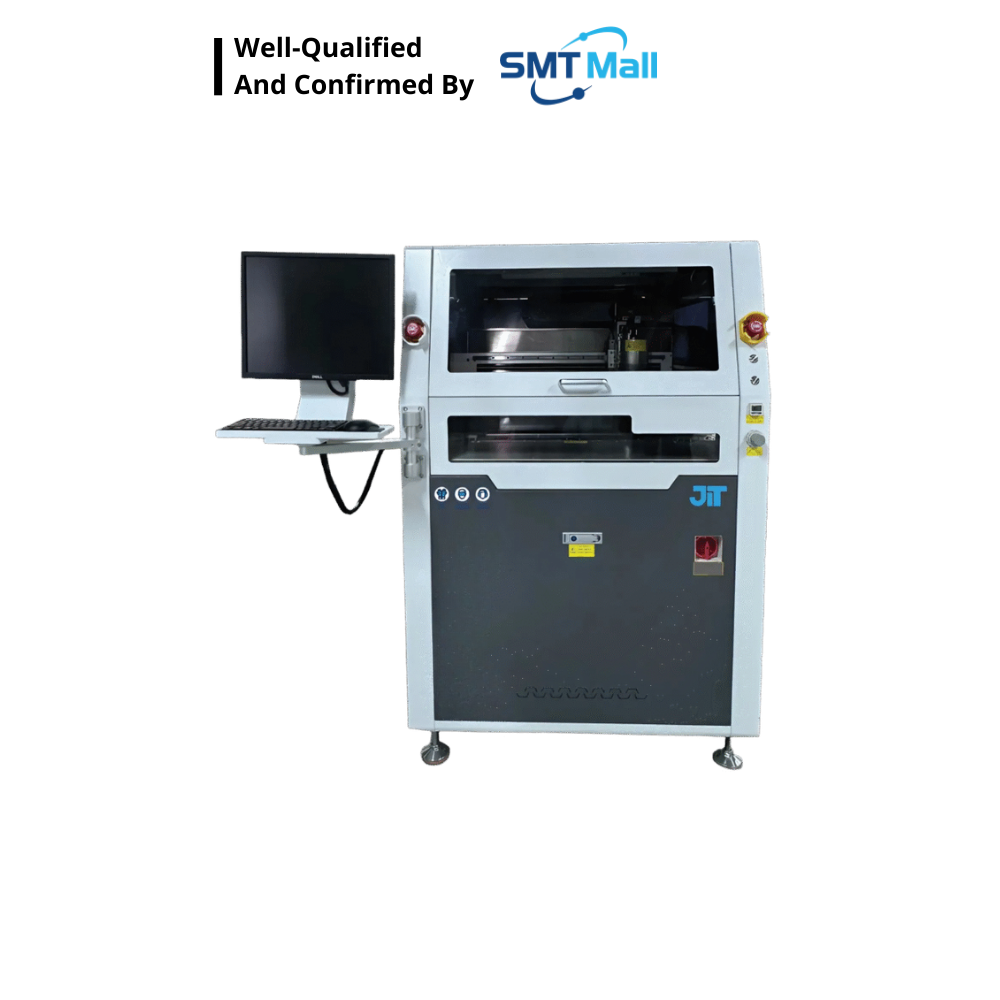
Surface treatment solutions


Surface treatment solutions