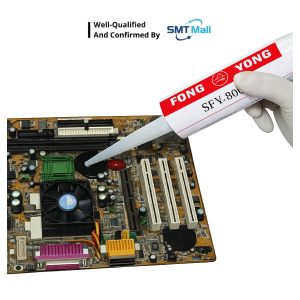
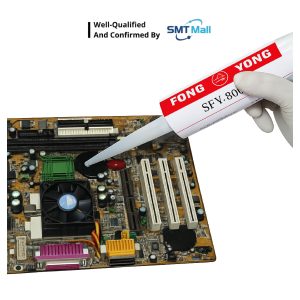
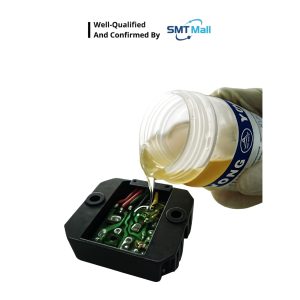
The application of a liquid adhesive to join two surfaces, such as metal, plastic, glass, rubber, or ceramic, together which forms a complete bond and transfers forces between the substrates.
What Is Plasma Surface Treatment?
Plasma surface treatment is an advanced cleaning and activation process that modifies the surface properties of materials using ionized gas — known as plasma. When energy is applied to a gas (such as air, oxygen, or nitrogen), it becomes partially ionized, forming plasma that contains ions, electrons, and reactive species. These energetic particles interact with the surface of materials, removing contaminants and creating new functional groups that improve adhesion, wettability, and bonding strength. In simpler terms, plasma surface treatment makes surfaces cleaner, more adhesive, and more compatible for further processes like printing, coating, gluing, painting, or encapsulation.
How Plasma Surface Treatment Works
The process typically involves three key stages:
- Surface Cleaning:
Contaminants such as oil, grease, dust, and oxides are removed at a microscopic level. - Surface Activation:
The plasma introduces reactive functional groups (e.g., -OH, -COOH) to increase surface energy, improving adhesion between materials. - Surface Modification:
The treated surface becomes hydrophilic (attracted to water), enhancing bonding with adhesives, inks, or coatings.
This treatment is dry, eco-friendly, and precise, making it ideal for industries that require high-quality bonding or coating.
Benefits
- No Chemical Waste: Environmentally friendly process without solvents or wet chemicals.
- Enhanced Adhesion: Stronger bonding between coatings, adhesives, and substrates.
- Improved Product Reliability: Stable and uniform surface quality.
- Cost Efficiency: Reduces rework and improves production yield.
- Flexible Integration: Available in both inline and batch systems for different production scales.
Key Factors to Consider When Choosing a Plasma Surface Treatment System
When selecting the right plasma system for your production line, consider these essential factors:
- Atmospheric Plasma: Operates at normal pressure without a vacuum chamber — ideal for inline, high-speed production lines (e.g., VC-450M series).
- Vacuum Plasma: Requires a sealed chamber for uniform, high-precision treatment — suitable for medical or research-grade applications.
- All Posts
- Back
- Surface treatment solution
- Cleaning Solutions
- Dispensing solutions
- Counter & Inspection solutions
- Soldering solutions
- Depaneling solutions
- Assembling solutions
- Chemicals
- Soldering materials
- FMCG products
- Smart factory solutions
Plasma Surface Treatment Process in Electronic Component Manufacturing
November 4, 2025/
1. What is Plasma Surface Treatment? Plasma surface treatment is an advanced technology that utilizes plasma — a state of…
How to Choose the Right Surface Treatment Solution for Your Production Line
November 4, 2025/
Surface treatment is an essential step in the manufacturing process of electronic components, especially in SMT (Surface Mount Technology) and…
Understanding Surface Treatment in PCB Manufacturing
November 4, 2025/
1. Definition In PCB manufacturing, surface treatment refers to the process of protecting and enhancing copper pads before soldering or…